
TCL #51: BHP's Copper Quest, Reverion's Carbon Capture, and Pharma Updates from Novo & Bayer

Welcome to this week's newsletter. This edition features major moves in mining, where BHP's attempts to subsume Anglo American highlight the growing importance of copper, a metal that will underpin much of our renewable energy future. We're also looking at innovative carbon capture tech from a German startup using modular, shipping container-sized units. Plus, we've got key pharma updates on Alzheimer's, diabetes, and stroke prevention. Let's dive in.
Mining
BHP made two unsuccessful attempts to acquire Anglo American, a London-listed company. The primary motivation for BHP's quest was Anglo American's significant copper assets, a metal crucial for renewable energy technologies. Copper prices have nearly doubled since 2020 due to increasing demand and diminishing discoveries, making it a highly sought-after commodity. BHP's initial offer was rejected by Anglo American due to its complexity, requiring Anglo to divest certain assets, and its all-share nature. BHP's second offer, reportedly a mix of cash and shares, was also quickly withdrawn after being publicly revealed.
The path is now clear for Anglo American to be acquired by Teck Resources, a Canadian diversified mining company, which will create a giant copper entity by combining their Chilean operations. Teck's advisors and board recommend that shareholders vote for the merger with Anglo, aiming to create a stronger global minerals company. Shareholders have until December 5, 2025, to cast their votes.
Carbon Capture
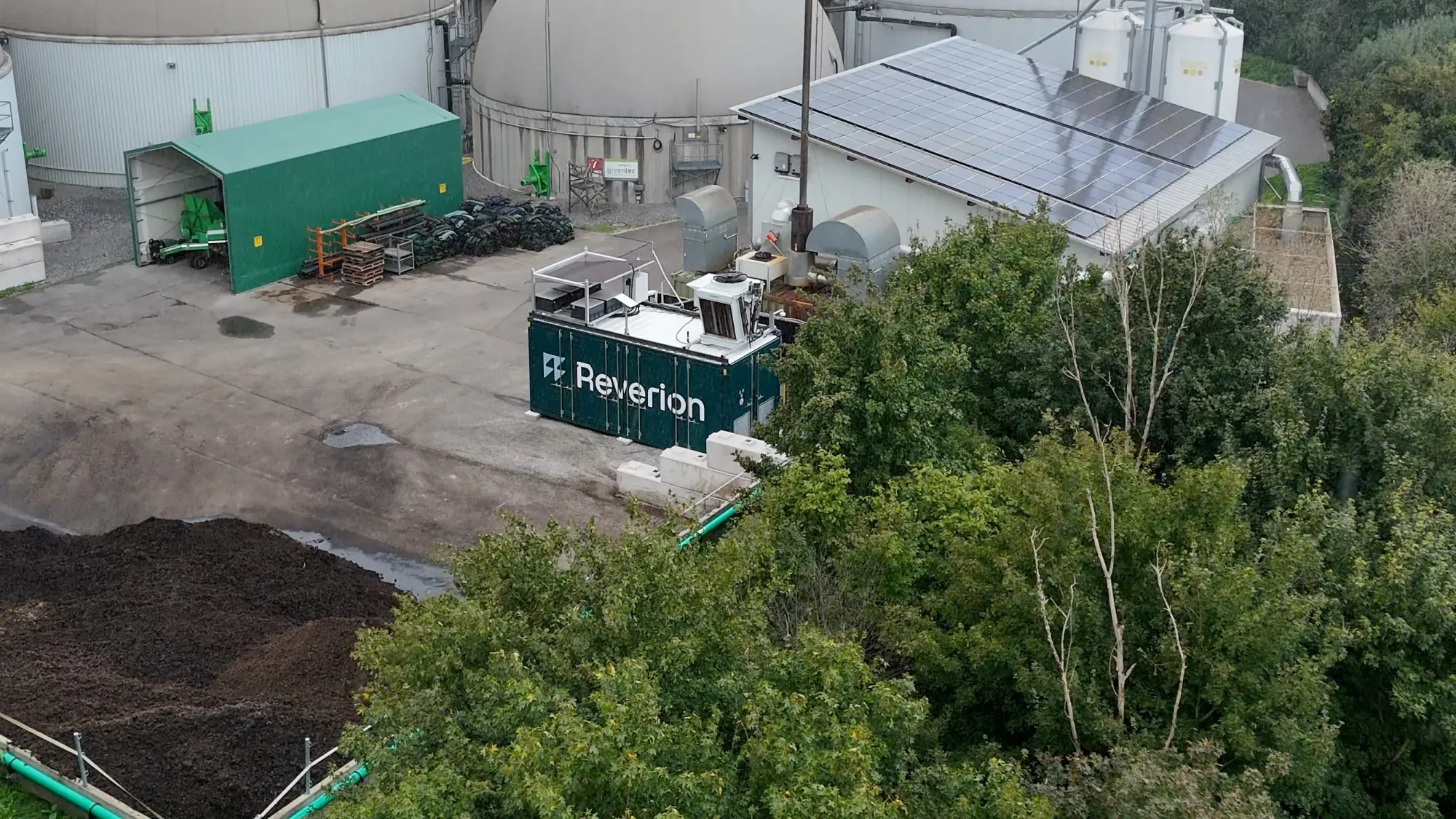
German startup Reverion is developing a carbon-capture technology that transforms biogas from farms into green electricity and carbon removal credits. The Frontier Coalition, an initiative launched in April 2022 to accelerate permanent carbon removal by making advance market commitments, has invested $41 million in Reverion to remove 96,000 tons of carbon dioxide between 2027 and 2030.
Reverion's process uses anaerobic digesters to produce biogas, a mixture of carbon dioxide and methane, from biomass waste. It then passes the biogas through a solid oxide fuel cell, which converts methane into electricity and produces a pure carbon dioxide stream as a byproduct. The byproduct is captured, liquefied, and stored permanently, earning carbon removal credits. The system is modular, with power plants roughly the size of shipping containers, capable of powering about 100 homes each.
Pharma
Novo Nordisk's pill version of semaglutide, the active ingredient in Ozempic and Wegovy, has failed to slow the progression of Alzheimer's disease in two large-scale clinical trials. The trials evaluated the efficacy and safety of oral semaglutide compared to placebo in 3800 adults, on top of standard care. Although semaglutide improved Alzheimer's disease-related biomarkers, this did not lead to a delay in disease progression. Novo pursued the Alzheimer's indication based on real-world evidence, pre-clinical models, and post-hoc analyses from diabetes and obesity trials. This setback is a disappointment in the broader effort by Novo and Eli Lilly to find new uses for GLP-1 drugs.
On a more encouraging note, Novo's experimental drug, amycretin, has shown positive results in Phase II trial for 488 patients with Type 2 diabetes, demonstrating significant reductions in both weight and blood sugar levels. The drug candidate is being developed in both pill and injection forms. The drug mimics the GLP-1 gut hormone to suppress appetite, similar to Wegovy, but also combines it with amylin, a pancreatic hormone that regulates appetite. Other companies, including Eli Lilly and Metsera (acquired by Pfizer), are also developing drugs that target amylin.
Some progress was also made in preventing another serious menace. Bayer's experimental stroke-prevention drug, asundexian, has shown positive results in a late-stage clinical trial. The drug, taken once daily at a 50 mg dose, successfully lowered stroke risk when combined with antiplatelet therapy. A key finding is that asundexian achieved this without causing major bleeding, a common side effect of other blood thinners. The drug works by blocking Factor XIa, a protein involved in blood clotting. The US FDA has granted Fast Track Designation to asundexian for stroke prevention in specific patient groups. Other companies developing stroke-prevention drugs using the same mechanism include Bristol Myers Squibb and Johnson & Johnson.